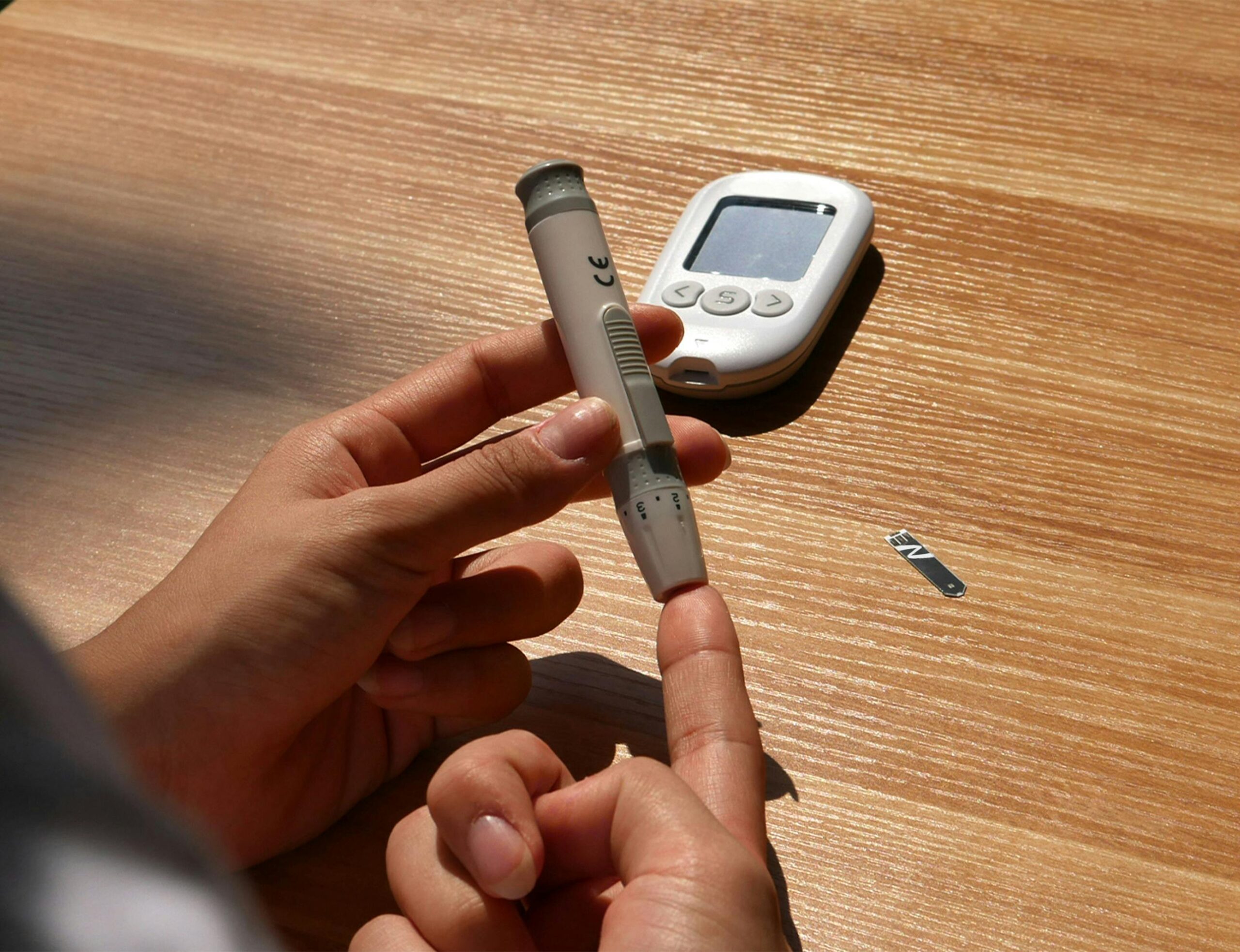
- Early Signs of High Blood Pressure Most People Ignore
High blood pressure, often called the “silent condition,” affects millions of people worldwide, yet many live with it for years without realizing anything is wrong. Unlike other health problems that cause obvious pain or sudden symptoms, high blood pressure can slowly damage the body while showing only mild or easily ignored signs.
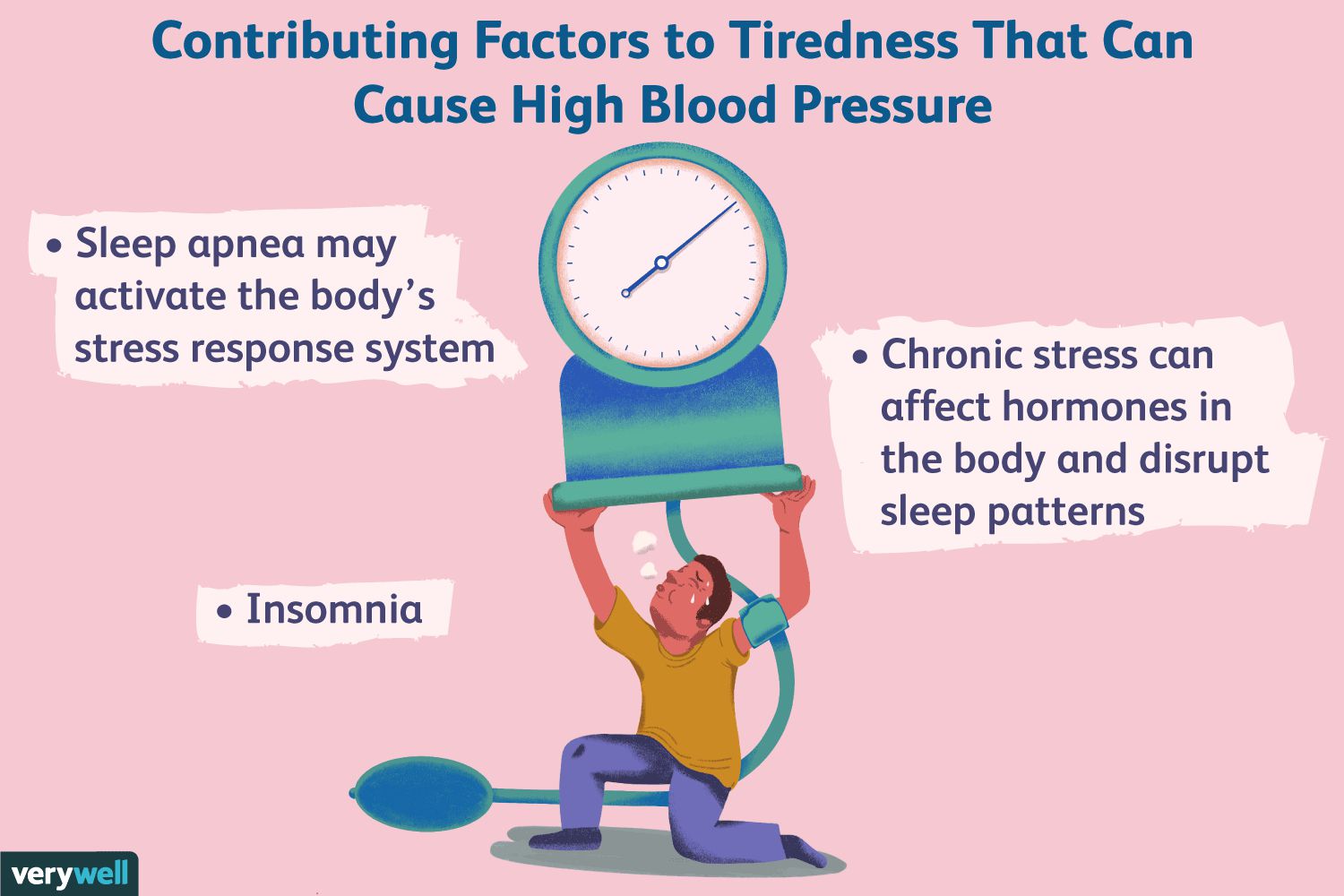
Many people assume that feeling tired, stressed, or slightly dizzy is just part of modern life. Busy schedules, lack of sleep, and daily pressure make these feelings seem normal. In reality, these small signals can sometimes be early warnings that blood pressure levels are higher than they should be. When ignored for long periods, high blood pressure may quietly increase the risk of serious health problems.
This article explains the early signs of high blood pressure that people often overlook, why these signs happen, and what practical steps can support healthy blood pressure in a natural and safe way.
What Is High Blood Pressure?
Blood pressure measures how strongly blood pushes against the walls of the arteries as the heart pumps. When this pressure remains high over time, it places extra strain on the heart and blood vessels. The heart must work harder to move blood throughout the body, which can gradually affect overall cardiovascular health.
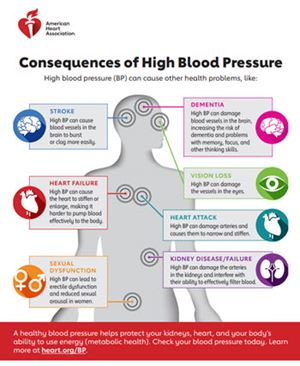
Doctors usually consider blood pressure high when readings consistently stay above the normal range during repeated measurements. Occasional spikes can happen due to stress or activity, but long-term elevation is what raises concern. Over time, unmanaged high blood pressure can increase the risk of heart disease, stroke, kidney issues, and other complications.
Because symptoms are often mild or absent in the early stages, regular monitoring is important—even for people who feel generally healthy and active.
Why High Blood Pressure Often Goes Unnoticed
One of the biggest challenges with high blood pressure is how slowly it develops. The body adapts to gradual changes, making symptoms feel familiar or unremarkable. What starts as a small change may eventually become part of a person’s daily routine.
Common reasons people ignore early signs include:
-
Symptoms appear gradually rather than suddenly
-
Signs overlap with stress, fatigue, or aging
-
Busy lifestyles reduce attention to health
-
No immediate pain or obvious discomfort
As a result, many people only discover high blood pressure during routine checkups or unrelated medical visits.
Frequent Headaches and Pressure Sensations
Occasional headaches are common and usually harmless. However, frequent or unexplained headaches can sometimes be associated with changes in blood pressure. These headaches often feel like a dull pressure rather than sharp pain.
Some people notice headaches:
-
In the morning after waking up
-
After long or stressful days
-
Along with tension in the neck or shoulders
While headaches alone do not confirm high blood pressure, recurring patterns or changes from usual headache habits are worth paying attention to.
Feeling Tired or Low on Energy
Persistent fatigue is another sign many people dismiss. When blood pressure is elevated, the heart works harder to circulate blood efficiently. Over time, this extra effort can affect how energized a person feels during the day.
People may notice:
-
Feeling tired even after a full night’s sleep
-
Mental fatigue or difficulty concentrating
-
Reduced motivation for daily activities
Because fatigue has many possible causes, it is easy to overlook blood pressure as one contributing factor.
Dizziness or Lightheadedness
Occasional dizziness can happen for many reasons, such as dehydration or standing up too quickly. However, frequent lightheadedness may signal changes in blood flow.
Some people experience:
-
Brief dizziness when standing
-
Lightheadedness after mild activity
-
A feeling of imbalance
These sensations can occur when blood pressure fluctuations affect how efficiently oxygen reaches the brain. Repeated episodes deserve attention, especially if they occur regularly.
Shortness of Breath During Mild Activity
Feeling short of breath during intense exercise is normal, but struggling during mild activities—such as climbing stairs or walking short distances—can be a subtle sign that the cardiovascular system is under strain.
High blood pressure can lead to:
-
Faster or heavier breathing
-
Reduced stamina
-
Feeling winded sooner than usual
Because these changes often develop gradually, people may adapt without realizing something has changed.
Changes in Vision or Focus
Some individuals with elevated blood pressure notice occasional changes in vision. High pressure can affect small blood vessels, including those that supply the eyes.
Possible vision-related signs include:
-
Temporary blurred vision
-
Difficulty focusing on screens or text
-
Eye strain or discomfort
Although vision changes can have many causes, persistent or repeated changes should not be ignored.
Trouble Sleeping or Restlessness
Sleep problems are often linked to stress or lifestyle habits, but blood pressure can also play a role. People with high blood pressure may experience disrupted sleep patterns that affect overall well-being.
Common sleep-related signs include:
-
Difficulty falling asleep
-
Restless or shallow sleep
-
Waking up feeling unrefreshed
Poor sleep can also worsen blood pressure over time, creating a cycle that affects both rest and heart health.
How Lifestyle Affects Blood Pressure
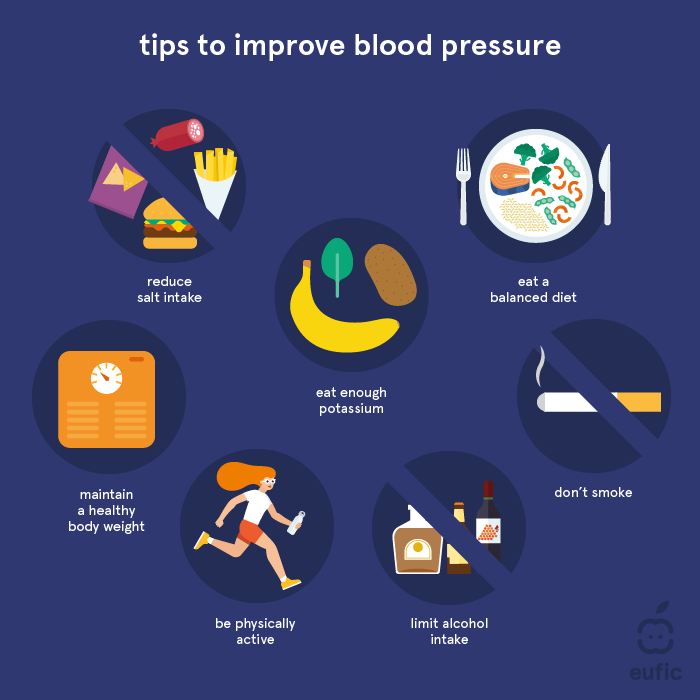
Daily habits strongly influence blood pressure levels. Small lifestyle choices, when repeated over time, can add up and affect cardiovascular health.
Common contributors include:
-
High salt intake
-
Low physical activity
-
Chronic stress
-
Poor sleep routines
-
Excessive consumption of processed foods
The good news is that many of these factors can be improved gradually without extreme changes.
Simple Habits That Support Healthy Blood Pressure
Managing blood pressure does not always require drastic action. Consistent, realistic habits often have the greatest long-term impact.
Helpful habits include:
-
Eating more fruits, vegetables, and whole foods
-
Staying physically active most days of the week
-
Limiting highly processed and salty foods
-
Reducing stress where possible
-
Maintaining regular sleep routines
These habits support overall cardiovascular health and general well-being.
The Importance of Regular Monitoring
Because symptoms can be subtle, checking blood pressure regularly is one of the most reliable ways to stay informed. Home blood pressure monitors are widely available and easy to use.
Regular monitoring helps:
-
Detect changes early
-
Track the impact of lifestyle adjustments
-
Share accurate information with healthcare providers
Consistency matters more than occasional checks.
When to Talk to a Healthcare Professional
If you notice repeated symptoms such as frequent headaches, dizziness, ongoing fatigue, or shortness of breath, it is wise to discuss them with a healthcare professional. Early guidance can help prevent long-term complications and provide clarity.
Seeking advice early is a proactive step and part of responsible health care.
Final Thoughts
High blood pressure often develops quietly, making early signs easy to overlook. Small changes in energy, sleep, breathing, or comfort may seem harmless at first, but they can sometimes signal deeper issues.
Paying attention to your body, maintaining healthy daily habits, and monitoring blood pressure regularly can make a meaningful difference over time. Awareness and consistency are among the strongest tools for protecting long-term health.